Fix: Apple Card Balances and Transactions Missing iOS 26

After updating to iOS 26, you might open the Wallet app to check your Apple Card only to find a blank transaction history and…

After updating to iOS 26, you might open the Wallet app to check your Apple Card only to find a blank transaction history and an inaccurate balance. This is a deeply concerning issue, especially when you rely on that data for real-time expense tracking for personal or business reasons. As users have detailed in this Apple Community thread, this failure can undermine trust in the service, making it difficult to manage finances when recent charges disappear. The problem is typically not a loss of your actual data but a software bug that prevents your iPhone from correctly syncing with and displaying your account information. If you’re seeing this, you may need to fix Apple Card issues.
Why Apple Card Data Disappears
Your Apple Card transaction history and balance are not stored solely on your iPhone. This information is securely held on servers managed by Apple and Goldman Sachs. The Wallet app on your device acts as a window, constantly syncing with these servers to display your latest account activity.
When you install a major software update like iOS 26, this synchronization process can be disrupted. A bug in the new operating system or a corrupted local cache on your device can prevent the Wallet app from fetching or properly displaying the data, even though the information itself remains safe on the server. This is why you might see a correct payment‑due amount while the transaction list is empty—they are sometimes fetched as separate data points. A weak or misconfigured network connection can also cause the sync to fail, so consider fixing Wi‑Fi issues if your connection seems unstable.
How to Fix Missing Apple Card Balances and Transactions
These solutions are designed to re‑establish a clean connection between your iPhone and the Apple Card servers. Start with the first step, as it is the most likely to resolve a widespread bug.
1. Update to the Latest iOS Version
Because this is a known bug that often appears after a major xx.0 release, the most reliable and permanent fix will come directly from Apple in a follow‑up software update.
-
Connect your iPhone to Wi‑Fi.
-
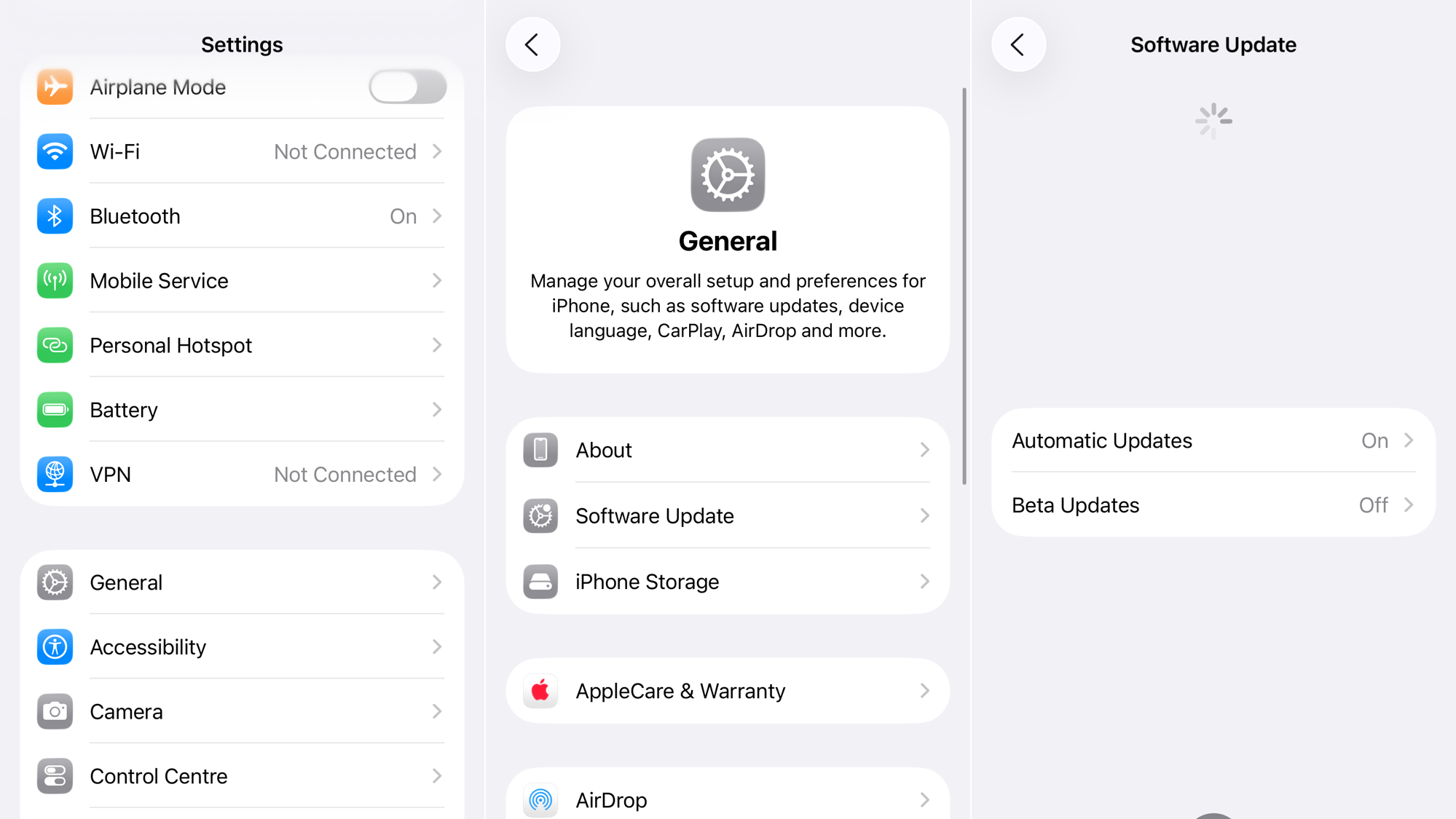
Go to Settings > General > Software Update.
-
If a new version (e.g., iOS 26.0.1 or later) is available, tap Download and Install.
2. Sign Out of and Back In to Your Apple ID
This action forces a complete re‑sync of all your iCloud and account data, which can resolve stubborn synchronization issues with the Wallet app.
- Go to Settings and tap your name at the top.
- Scroll to the bottom and tap Sign Out. Follow the on‑screen instructions.
- After signing out, restart your iPhone.
- Go back to Settings and sign in again with your Apple ID. Allow a few minutes for your data to re‑sync.
3. Remove and Re‑add Your Apple Card
This is a highly effective solution that forces the Wallet app to delete its local, potentially corrupted data and download a fresh copy of your card information and transaction history from the server. This does not affect your account or your physical card.
- Open the Wallet app.
- Tap on your Apple Card.
- Tap the More button (three dots) in the top‑right corner, then tap Card Details.
- Scroll down and tap Remove this Card.
- After it’s removed, tap the plus (+) button in the top‑right corner of the main Wallet screen to add your Apple Card again.
4. Restart Your iPhone
A simple restart can often clear temporary glitches and force the Wallet app to re‑initiate its connection to Apple’s servers.
- Press and hold the side button and either volume button until the power‑off slider appears.
- Drag the slider to turn off your device.
- After 30 seconds, press and hold the side button again until the Apple logo appears.
If your device is running hot, thermal throttling can interfere with network‑related tasks. In that case, you might want to fix iPhone overheating.
5. Verify Your Data Online as a Workaround
While this won’t fix the issue on your iPhone, it can help you access your data and confirm it hasn’t been lost.
- On a computer or other device, go to card.apple.com and sign in with your Apple ID.
- Here you can view your balance and download monthly PDF statements. Note that the most recent transactions may not appear here until a statement is generated, but it can provide peace of mind that your history is being recorded.
6. Check Your Region Settings
Incorrect region settings can sometimes interfere with financial services. Ensure your iPhone is set to the correct region.
- Go to Settings > General > Language & Region.
- Confirm that the Region is set correctly.
7. Ensure Your Network Is Fully Functional
If you continue to see blank data, double‑check that both Wi‑Fi and cellular connections are working properly. You can try fixing cellular data issues to rule out a data‑connection problem that might be preventing the Wallet app from reaching Apple’s servers.
If none of these solutions work, contact Apple Support. Be sure to mention that you are on iOS 26 and have already tried these troubleshooting steps.