Fix: Swipe Up to Close Apps Not Working iOS 26

The ability to quickly swipe up to close an app is a fundamental gesture on modern iPhones, making it especially disruptive when it…

The ability to quickly swipe up to close an app is a fundamental gesture on modern iPhones, making it especially disruptive when it suddenly stops working. After updating to iOS 26, some users have found that they can no longer close apps from the App Switcher using this familiar motion, leading to frustration and confusion about whether the feature was changed or is simply broken. As users in this Apple Community discussion have asked, this issue can leave you feeling stuck, searching for an alternative way to manage your open applications. The problem is almost always a software glitch or a minor physical obstruction, not a permanent change to iOS.
Why Swiping Up to Close Apps Fails
The swipe gestures on your iPhone are managed by a core part of the operating system known as SpringBoard, which controls the Home Screen and App Switcher. Following a major update like the one to iOS 26, temporary bugs, corrupted cache, or misconfigured settings can interfere with how SpringBoard recognizes and processes your touch inputs.
In other cases, the issue may not be software‑related at all. The gesture to close an app requires a precise swipe that starts on the app’s preview card. Furthermore, the initial gesture to even open the App Switcher begins at the very bottom edge of the screen. A thick screen protector or a poorly designed case can physically block your finger from making proper contact in this critical area, preventing the gesture from being registered correctly.
How to Fix Swipe Up to Close Apps Not Working
Follow these solutions, starting with the simplest, to restore this essential function on your iPhone.
1. Make Sure You’re Using the Correct Gesture
It’s common to confuse the two separate “swipe up” gestures. Closing an app is a two‑step process.
- First, to open the App Switcher, swipe up from the very bottom edge of the screen and pause for a moment in the middle until you see your open apps appear as cards.
- Next, place your finger on the preview card of the app you want to close and swipe it straight up and off the screen. Do not start this second swipe from the bottom of the screen.
2. Force Restart Your iPhone
A force restart is the most effective way to clear out temporary software glitches that can affect core system functions like gesture recognition.
- Press and quickly release the volume up button.
- Press and quickly release the volume down button.
- Press and hold the side button until the Apple logo appears on the screen, then release it.
3. Remove Your Case and Screen Protector
Physical interference is a common cause of gesture failure. A case with a thick “lip” or a misaligned screen protector can prevent your finger from starting the swipe at the very bottom edge of the display.
- Carefully remove your iPhone’s case.
- If you have a screen protector, remove that as well.
- Test the swipe‑up gesture again. If it works, the issue was with your accessories.
4. Clean Your iPhone’s Screen
Oils, dirt, or moisture on the screen can interfere with its touch sensitivity, leading to unrecognized taps and swipes.
- Use a soft, lint‑free microfiber cloth to gently wipe your screen.
- Ensure your hands are clean and dry, then try the gesture again.
5. Check for an iOS Update
If the problem is a known bug in the initial iOS 26 release, Apple will likely issue a fix in a subsequent software update.
- Go to Settings > General > Software Update.
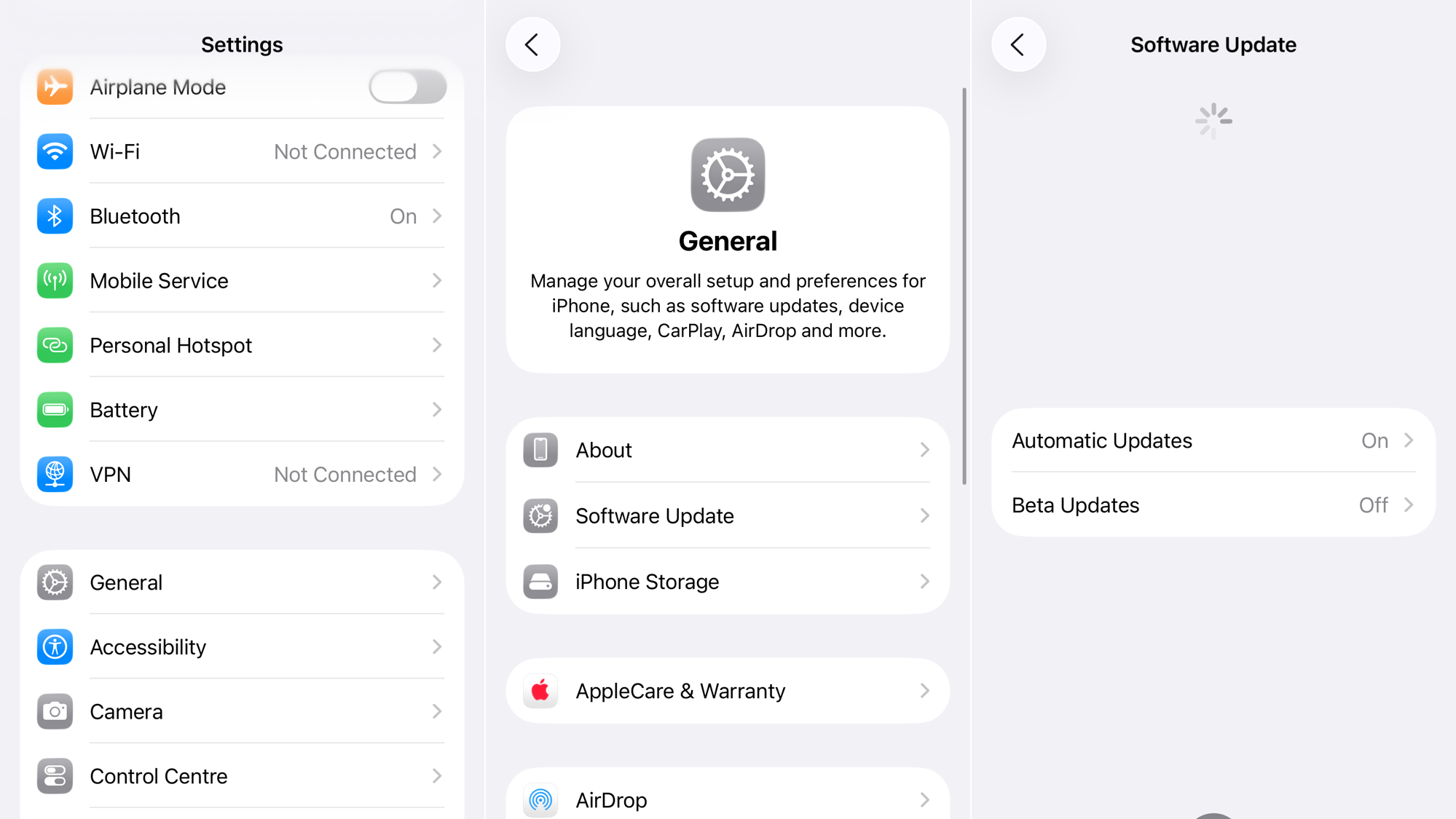
- If a new version (e.g., iOS 26.0.1) is available, tap Download and Install.
6. Reset All Settings
This step can resolve issues caused by corrupted settings from the update process, without erasing your personal data like photos or apps. You will need to re‑enter Wi‑Fi passwords and reconfigure settings afterward.
- Go to Settings > General > Transfer or Reset iPhone.
- Tap Reset > Reset All Settings and enter your passcode to confirm.

If you notice that the App Switcher itself feels sluggish or that other gestures lag, it may be a sign of broader performance issues.
Additionally, if your device has been running hot, thermal throttling can affect touch sensitivity and gesture detection.
If none of these solutions work, contact Apple Support.